
6 min read

The Global Crisis of Modern Prisons and the Transformative Role of Hybrid Meetings

The Global Crisis of Modern Prisons and the Transformative Role of Hybrid Meetings

Introduction

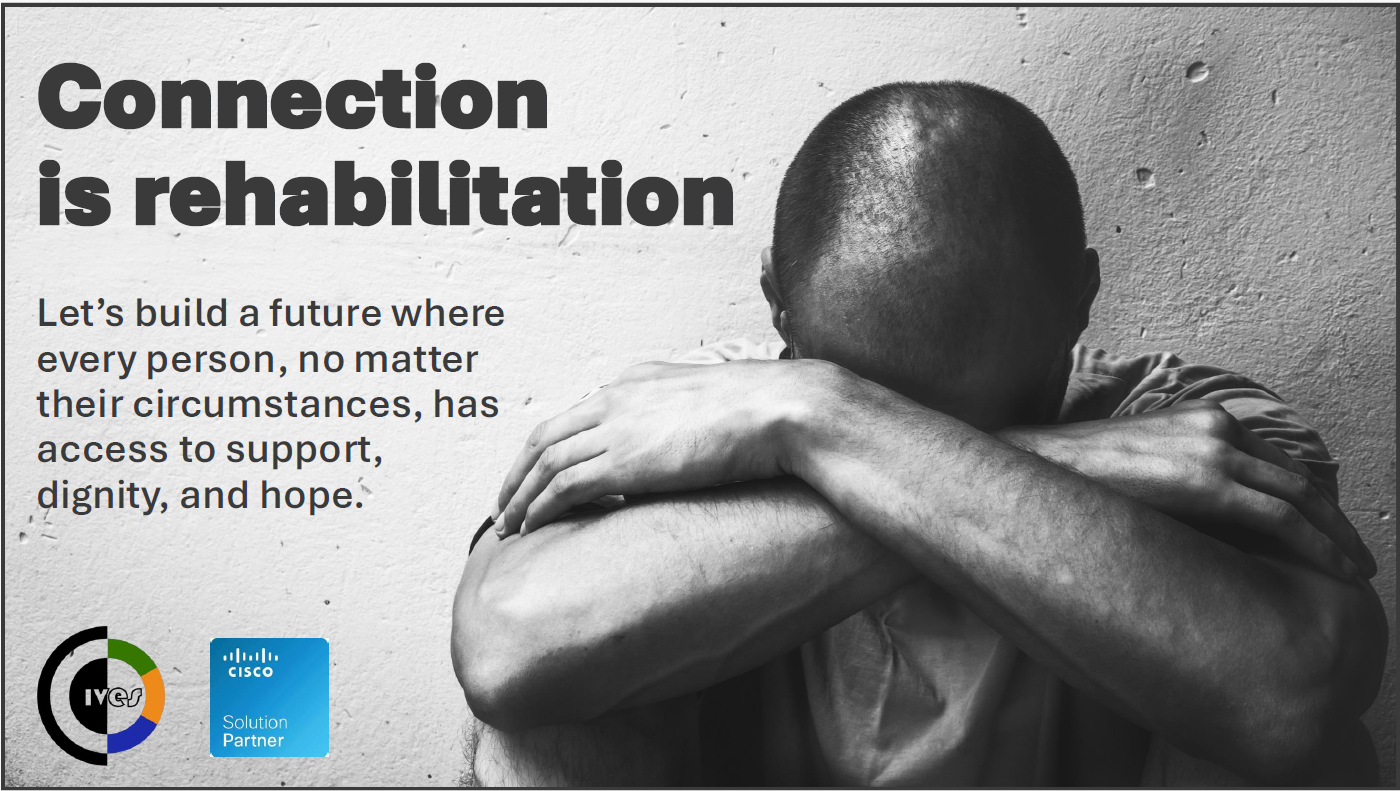
Prison systems worldwide face a deep structural crisis marked by overcrowding, deteriorating health outcomes, staff shortages, social isolation, systemic neglect of human dignity and failing rehabilitation.

International organizations, public health researchers, and human rights groups consistently describe global incarceration systems as being in a state of crisis, with profound consequences for physical health, mental well-being, public safety, and social cohesion .

This article explores how hybrid meeting technologies — combining secure in-person and remote interaction — can act as a transformative structural tool. By expanding access to healthcare, justice, education, family contact, and rehabilitation services, hybrid meetings offer a scalable, cost-effective, and humane path toward safer prisons, reduced recidivism, and stronger social reintegration.

While reforms have been debated for decades, the magnitude of these challenges continues to demand innovative, immediate, and human-centered solutions.

Inhumane Living Conditions and Overcrowding

Overcrowding

One of the most pervasive problems affecting prison system is chronic overcrowding. Many countries operate prisons far beyond their intended capacity. In over one-fifth of countries globally, prisons operate at more than 150% capacity, particularly in Africa and the Americas, but increasingly also in Europe .

The consequences of overcrowding are immediate and severe. Cells designed for one or two inmates frequently house three to five individuals, while many prisoners are forced to sleep on floors beside toilets. Access to sanitation, showers, physical exercise, and fresh air is sharply reduced, and levels of violence, intimidation, and disease transmission rise significantly.

Health Impacts

Scientific reviews consistently demonstrate that overcrowding is strongly associated with elevated rates of infectious disease, mental illness, suicide, and overall mortality. Tuberculosis rates inside prisons can be 10 to 100 times higher than in surrounding communities, while HIV and hepatitis C prevalence is also dramatically elevated.

Mental Health Crisis and High Suicide Rates

Mental illness is vastly overrepresented in incarcerated populations. Approximately 40% of prisoners globally suffer from mental health disorders, with severe conditions such as schizophrenia, bipolar disorder, and major depression occurring at far higher rates than in the general population .

Suicide

Suicide remains one of the leading causes of death in custody. Prisoners are seven times more likely to die by suicide than individuals in the general population, while young detainees face risks up to eighteen times higher. Contributing factors include prolonged isolation, insufficient psychological care, trauma histories, overcrowding, institutional violence, and limited social contact.

Isolation, Solitary Confinement, and Social Deprivation

Extended isolation remains widely practiced despite strong evidence of psychological harm. Prisoners frequently spend 22–23 hours per day locked in small cells, partucularly during security lockdowns, disciplinary sanctions, or staff shortages.

The psychological consequences of prolonged isolation include anxiety, depression, paranoia, hallucinations, cognitive decline, and substantially increased risks of self-harm and suicide. In many cases, these effects result in lasting psychological trauma. Social deprivation further erodes empathy, emotional regulation, and interpersonal functioning, significantly undermining prospects for successful reintegration.

Poor Access to Family Contact

Family contact plays a critical role in emotional stability, behavioral regulation, and post-release reintegration.

In practice, however, family contact is frequently obstructed by strict visitation restrictions, long travel distances, high transportation and communication costs, and complex bureaucratic procedures.

Research consistently shows that regular family contact reduces disciplinary incidents, improves mental health, and lowers reoffending rates, however, these connections remain structurally under-supported across many prison systems.

Lack of Education, Training, and Meaningful Activity

Education and vocational training are central pillars of rehabilitation, but access remains severely limited. Structural barriers include insufficient funding, shortages of qualified teaching staff, restricted access to technology, and security-driven movement limitations.

As a result, many prisoners spend prolonged periods in enforced idleness, contributing to loss of motivation, cognitive stagnation, increased conflict, behavioral problems, and severely limited employment prospects following release.

Inadequate Healthcare and Psychiatric Services

Prison healthcare systems are chronically under-resourced. Across prison systems, critical healthcare infrastructure is missing, including on-site specialists, mental health professionals, emergency medical capacity, and continuity of care. Staff shortages and security logistics further restrict access, often delaying diagnosis and treatment, particularly for psychiatric disorders and chronic illnesses.

Insufficient Legal Aid and Barriers to Justice

Prisoners frequently encounter major obstacles in accessing legal representation, court hearings, legal advice, and timely appeals. Transportation to courts is costly, risky, and logistically complex. Delays in hearings contribute to prolonged pre-trial detention, exacerbating overcrowding and procedural injustice.

Remote judicial systems have demonstrated significant potential to expand access to justice while preserving procedural reliability, offering a promising avenue for structural reform.

Poor Rehabilitation and Reintegration Support

The failure of rehabilitation remains one of the most damaging consequences of contemporary incarceration systems. Many institutions provide minimal psychological therapy, vocational training, reintegration planning, or transitional housing and employment support. This deficiency fuels persistently high recidivism rates, perpetuating cycles of incarceration, poverty, and social exclusion.

Violence, Abuse, and Power Hierarchies

Overcrowding and understaffing create environments in which informal prisoner hierarchies flourish, violence becomes a survival mechanism, and intimidation and exploitation are widespread. European monitoring bodies have repeatedly warned that insufficient oversight and entrenched power structures severely undermine prisoner safety and human dignity.

Introducing Hybrid Meetings as a Structural Solution

What are Hybrid Meetings?

Hybrid meetings combine in-person participation with secure remote video conferencing, enabling real-time interaction across physical boundaries and ensuring comparable participation conditions for all attendees. They are are not merely operational tools; they exert transformative effects on institutional structures, professional practices, and stakeholder engagement across sectors.

By expanding equitable digital access—through remote participation options, assistive technologies, and multilingual interfaces—hybrid meetings can improve inclusion for individuals facing economic, geographic, cultural, or mobility constraints.

In custodial environments, hybrid meetings allow for the remote delivery of medical consultations, psychological therapy, legal meetings and court hearings, family visitation, educational instruction, and rehabilitation programming.

How Hybrid Meetings Address Key Prison Problems

Expanding Healthcare Access

Telemedicine enables prisoners to receive specialist consultations without transportation, reducing delays in diagnosis, security risks, and financial burden. Telepsychiatry has proven particularly effective in addressing staff shortages and improving the quality and continuity of mental healthcare.

Improving Mental Health and Suicide Prevention

Hybrid therapy sessions increase the frequency and continuity of psychological care, reduce isolation, and enable early crisis intervention. This directly targets suicide risk factors, including loneliness, untreated depression, and prolonged emotional distress.

Strengthening Family Bonds

Video-based visitation overcomes geographic distance, reduces financial burdens, allows more frequent contact, and helps maintain parental relationships. These connections improve emotional resilience, institutional behavior, and long-term reintegration outcomes.

Expanding Educational Opportunities

Through hybrid learning environments, prisoners gain access to university courses, vocational certifications, and digital literacy programs that would otherwise remain unreachable. Virtual education initiatives have demonstrated substantial improvements in self-efficacy, cognitive engagement, and post-release employability.

Enhancing Legal Access and Court Efficiency

Remote hearings reduce court delays, minimize transport risks, lower public costs, and increase procedural efficiency. Thruly hybrid meetings have been shown to expand access to justice without compromising procedural reliability when properly implemented.

Resource Efficiency and Sustainability

Hybrid systems significantly reduce transportation expenses, security staffing requirements, infrastructure strain, and carbon emissions. This allows the redirection of resources toward rehabilitation, healthcare, and education.

Ethical, Legal and Security Safeguards

The integration of hybrid meeting technologies into prison systems must be accompanied by robust ethical, legal, and security safeguards. Privacy protection is paramount, particularly during legal consultations, psychological therapy, and medical appointments. End-to-end encryption, strict data governance protocols, and independent oversight mechanisms are therefore essential to ensure confidentiality and prevent unauthorized surveillance or data misuse.

Hybrid judicial formats represent a high-impact structural reform for prison systems. By enabling secure remote court participation, they reduce prisoner transport requirements, security risks, and operational costs, while accelerating case processing and minimizing judicial delays. This directly alleviates overcrowding, shortens pre-trial detention, and improves access to timely justice for incarcerated individuals.

Hybrid court systems also ensure continuity of judicial operations during emergencies, including public health crises, security incidents, and institutional lockdowns, preventing legal stagnation and procedural backlogs. When combined with robust data protection and procedural safeguards, these systems strengthen due process, expand legal access, and promote a more efficient, humane, and rights-centered model of prison justice administration.

Implementation Framework for Hybrid Systems

Successful deployment of hybrid meeting systems requires strategic planning, infrastructural investment, and institutional training. Core infrastructure must include secure broadband connectivity, encrypted communication platforms, soundproof consultation spaces, and reliable digital hardware adapted to custodial environments. Staff training programs are equally essential to ensure technical competence, ethical compliance, and therapeutic effectiveness.

Phased implementation strategies allow institutions to pilot programs, collect performance data, and refine operational protocols prior to full-scale deployment. When carefully implemented, hybrid systems become embedded tools of rehabilitation rather than superficial technological additions.

Broader Societal Benefits and Long Term Impact

Beyond institutional improvements, hybrid prison systems generate substantial benefits for society at large. Expandes access to healthcare, education, and family contact reduces recidivism, thereby enhancing public safety and lowering long-term incarceration costs. Educational participation and vocational certification significantly improve post-release employability, reducing dependence on social welfare systems and lowering reoffending risk.

Strengthened family bonds mitigate intergenerational cycles of criminal behavior by preserving parental relationships and emotional stability. In economic terms, reductions in prisoner transport, judical delays, and emergency medical interventions translate into significant fiscal savings, enabling reinvestment into preventive social services. Hybrid prison models therefore represent not merely correctional reform, but a systemic investment in social cohesion, public health, and long-term economic sustainability.

Conclusion: Toward a Humane, Efficient, and Rehabilitative Prison System

Modern prisons face an intertwined web of challenges: overcrowding, mental illness, suicide, social isolation, poor healthcare, limited education, and failed rehabilitation. These systemic deficiencies erode human dignity and undermine public safety by increasing recidivism and social marginalization.

Technology offers new avenues for compassion, connection, and change, ensuring that people behind bars are not forgotten, severed from the people who care about them, or left to suffer in silence.

Hybrid meetings represent one of the most powerful structural tools available today as they are more than just a digital communication tool — they constitute a pathway toward genuine rehabilitation, dignity, and safety. By enabling scalable, cost-effective, and humane service delivery, hybrid meetings can restore dignity, reduce suffering, and promote reintegration, fulfilling the foundational purpose of incarceration in a modern democratic society.